
How to Make Your Perfume Last Longer
August 21, 2026
Key Takeaways
- Hydrated skin holds fragrance molecules much longer than dry skin.
- Applying perfume to warm pulse points helps to gently diffuse the scent.
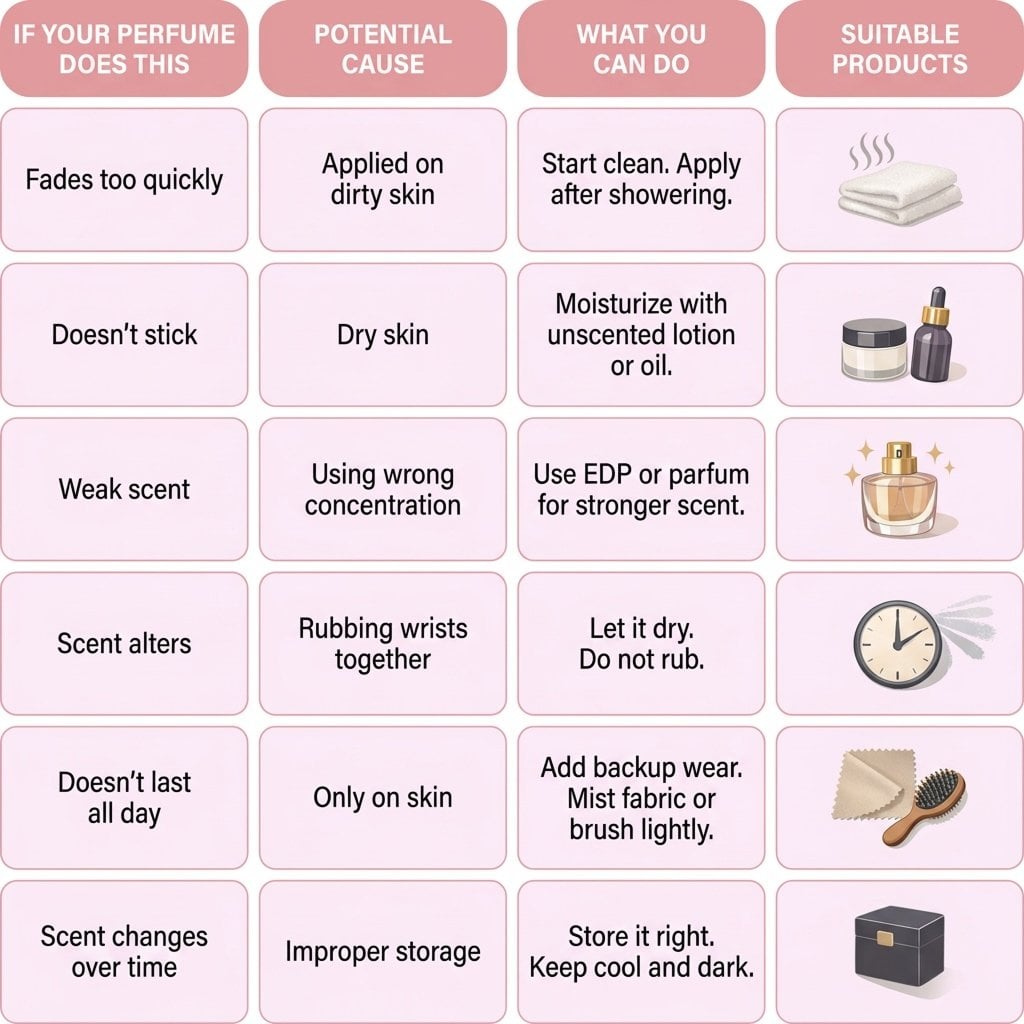
- Never rub your wrists together after application as it can alter the scent.
- Fragrance concentration is one of the clearest longevity signals: EDP and Parfum usually wear longer than EDT, cologne, or body mist.
Why Does My Perfume Fade So Quickly—Especially on Skin?
Perfume fades as its fragrance molecules evaporate from your skin. How quickly that happens depends on several factors, including your skin’s moisture and oil levels, the surrounding temperature, and the perfume’s own composition. Lighter, more volatile notes tend to disappear first, while richer, deeper notes linger longer.
Dry skin can make fragrance dissipate faster because it lacks the oils that help hold scent molecules in place. A well-supported skin barrier creates a smoother, more hydrated surface, giving perfume more staying power throughout the day.
The notes in a fragrance also affect how long it lasts. Bright top notes such as citrus are the first to fade, while richer base notes like woods, amber, musk, and vanilla tend to remain on skin longer. Another reason perfume may seem to vanish is olfactory fatigue, sometimes called nose blindness. After smelling the same fragrance for a while, your nose can become less sensitive to it, even though the scent may still be noticeable to people around you.
The Science of Perfume Longevity
Perfume longevity is influenced by two main factors: the surface of your skin and the structure of the fragrance itself. The stratum corneum (your skin’s outermost layer) plays a role in how scent settles after you apply it, while your skin’s natural barrier and oil (sebum) levels influence how well those fragrance molecules cling before they evaporate.
Formula matters, too. Most perfume sprays use alcohol as a carrier to disperse fragrance oils evenly across the skin—this alcohol quickly evaporates, revealing your scent’s opening notes. The volatility of each ingredient determines which notes disappear first and which linger into the “dry down,” or the scent’s long-lasting base.
Some long-wearing fragrances are designed with diffusive, persistent aroma molecules (like Ambroxan or Iso E Super) to support the scent’s staying power. These molecules boost projection and increase sillage—the lovely scent trail your fragrance leaves behind. Still, it’s worth remembering that longevity isn’t always the same as perception: olfactory fatigue can cause your nose to “tune out” a familiar scent, even when others can still detect it.
How to Choose a Long-Lasting Fragrance
Application technique matters, but the fragrance formula itself also affects longevity. Perfumes with higher fragrance oil concentrations, slower-evaporating base notes, and supportive aroma molecules usually last longer than lighter, fresher scents designed to fade more quickly.
Understand Fragrance Concentrations
As a rule of thumb, Parfum (or Extrait) has the highest fragrance concentration and generally lasts the longest. Next in line are Eau de Parfum, Eau de Toilette, Eau de Cologne, and finally, body mists—each with a lower concentration and shorter wear time. While concentration isn’t the only factor affecting how long your scent lasts, it’s one of the simplest ways to estimate a perfume’s staying power.
Body mists tend to prioritize lightness and freshness over longevity, often requiring reapplication to stay noticeable throughout the day. Perfume oils, on the other hand, contain little or no alcohol and sit closer to the skin, which slows down evaporation and can extend wear. While perfume oils offer impressive close-to-skin longevity, they’re usually subtler—they don’t project as far, but linger longer as a soft, personal scent.
| Concentration | Fragrance Oil % | Typical Longevity | When to Use |
| Eau de Cologne (EDC) | 2-4% | 1-2 hours | A light, refreshing spritz |
| Eau de Toilette (EDT) | 5-15% | 3-4 hours | Standard for daywear |
| Eau de Parfum (EDP) | 15-20% | 5-8 hours | All-day wear, evenings |
| Parfum / Extrait | 20-30% | 8-24 hours | Special occasions |
| Body Mist | 1–3% | 1–3 hours | Light refreshes and layering |
| Perfume Oil | Varies | 6–12+ hours | Close-to-skin wear and extended longevity |
Look for Tenacious Base Notes
Base notes form the foundation of a fragrance and are the notes most likely to linger after the brighter opening fades. Scents built around woods, amber, musk, vetiver, patchouli, vanilla, Ambroxan, or Iso E Super often have more noticeable staying power.
- Amber: Warm, resinous amber notes tend to linger after brighter top notes fade, making them useful for evening scents, cold-weather perfumes, and richer dry downs.
- Musk: Musk adds a soft, lingering finish that can stay close to skin for hours, which makes it useful in everyday perfumes, skin scents, and subtle long-wear fragrances.
- Vanilla: Sweet, dense vanilla notes often last longer than citrus or aquatic notes, especially in warm gourmands, date-night scents, and cozy fragrance profiles.
- Woods: Sandalwood, cedarwood, and oud can give perfume a deeper, longer-lasting foundation, especially in woody, unisex, evening, and special-occasion fragrances.
- Patchouli or vetiver: Earthy base notes help anchor the dry down and add lasting structure, making them a strong fit for chypre, woody, aromatic, and polished everyday scents.
Long-Lasting Perfumes
If you want a fragrance that lasts longer, choose a scent that has a concentration and note structure that supports the way you plan to wear it. Keep in mind: Richer Eau de Parfum formulas, warm base notes, and layered scent profiles tend to have more staying power than light, citrus-forward sprays.
The options below show how different YSL fragrances can support specific longevity needs.
For Vanilla & Gourmand Scents: YSL Black Opium
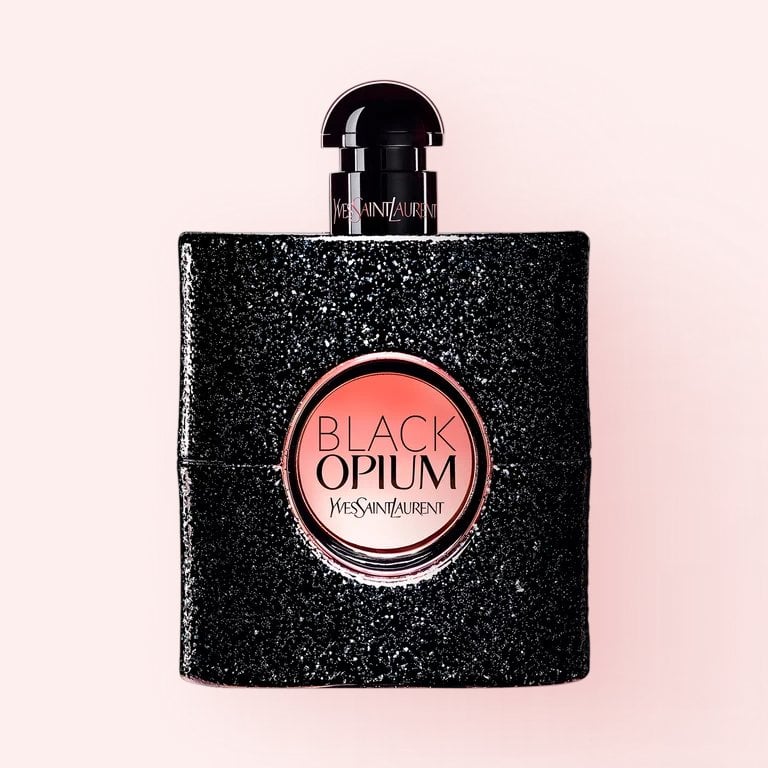
YSL Black Opium is a longer-wearing gourmand because its coffee and vanilla notes give the scent a deeper, warmer dry down. If you like sweet fragrances that do not disappear quickly, this type of richer base can give the perfume more presence as the brighter opening fades.
For a Polished, Everyday Wear Fragrance: YSL Libre
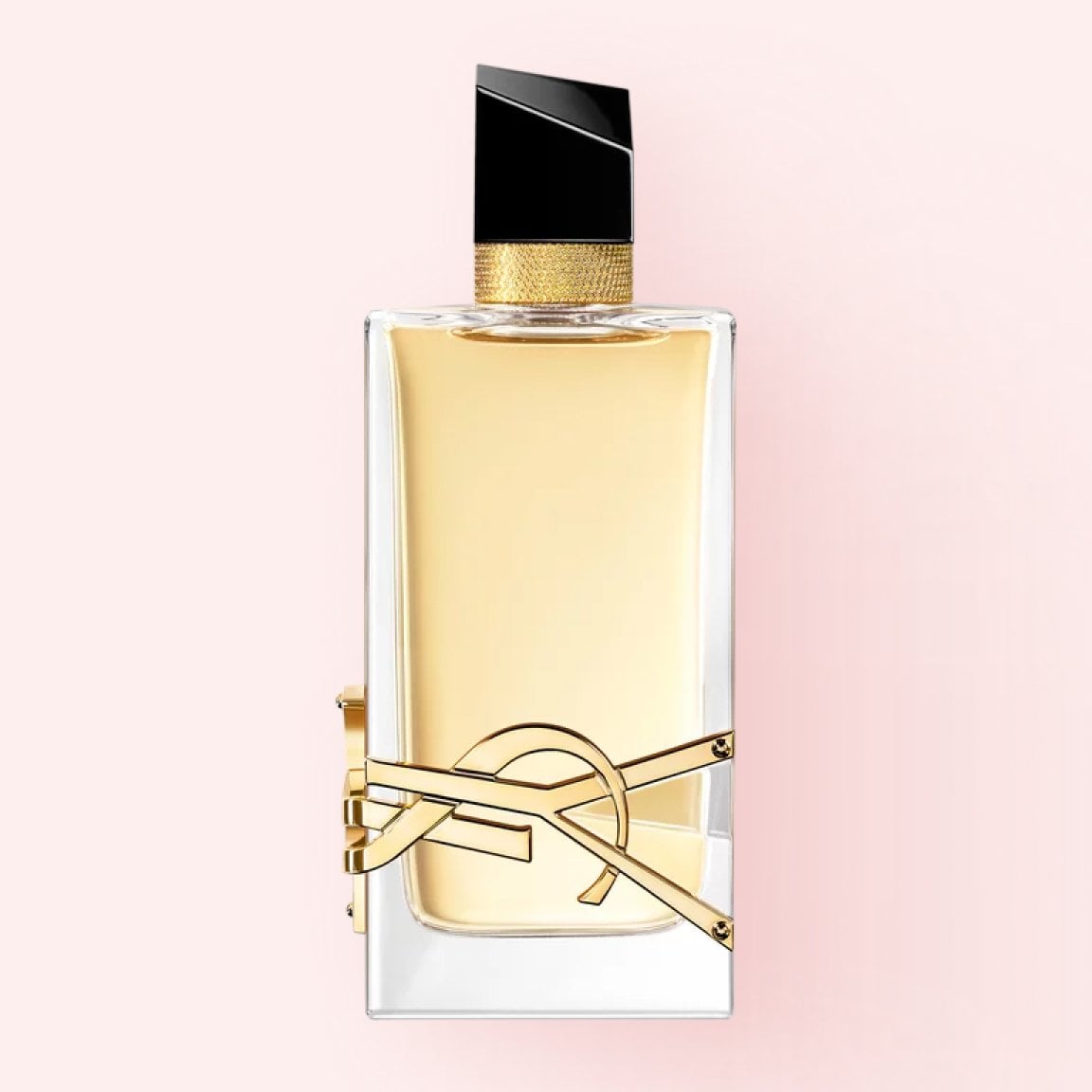
YSL Libre EDP is good for everyday wear because the Eau de Parfum concentration generally gives a scent more longevity than lighter formats. Its polished floral profile can work for daytime routines where you want a fragrance that is noticeable but still wearable from morning into evening.
For Floral + Vanilla Layering: YSL Libre Flowers & Flames
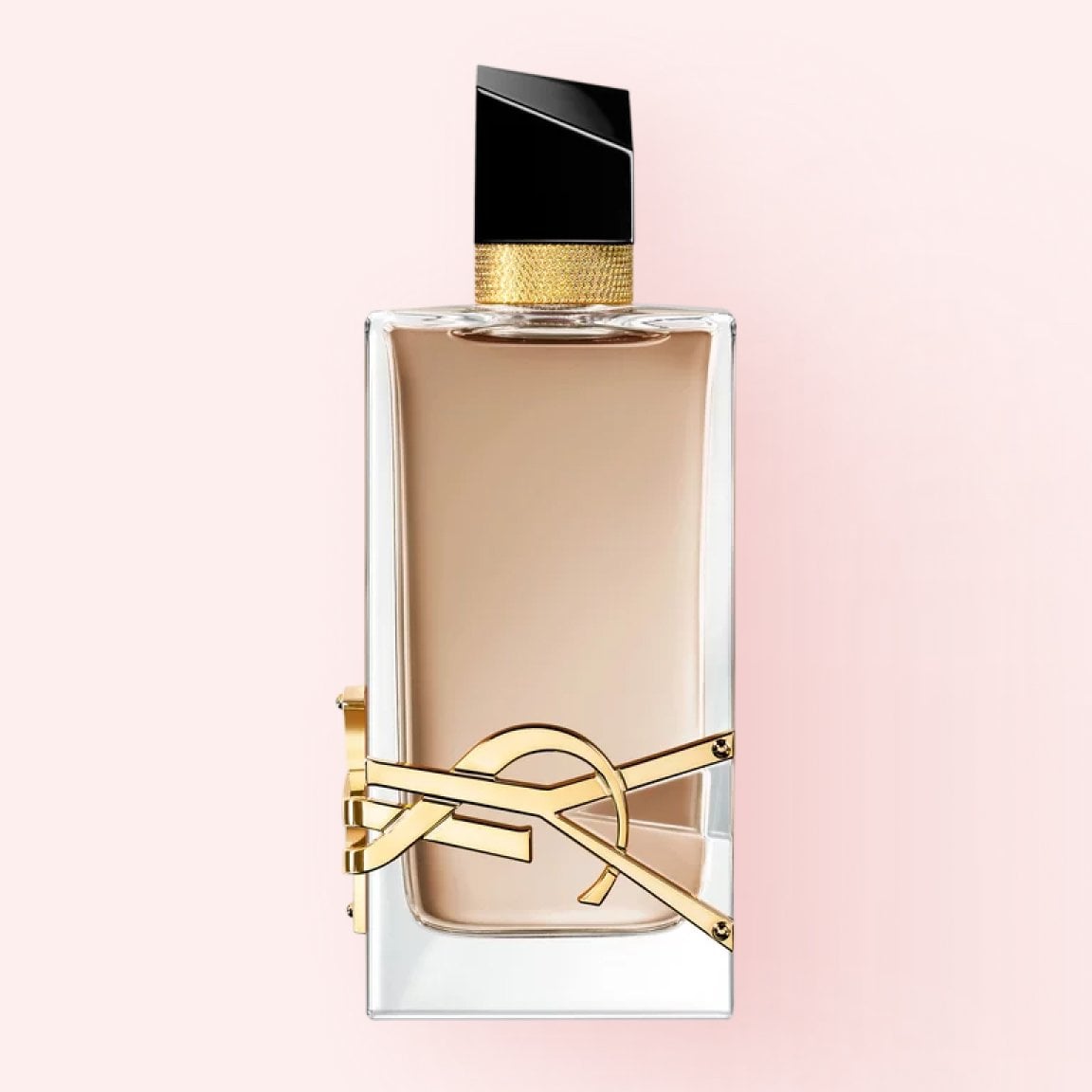
YSL Libre Flowers & Flames can support floral-vanilla layering because it connects a bright floral impression with a warmer, creamier base. Pairing this type of profile with a complementary lotion or body oil can help round out the scent profile and give the fragrance more support on skin.
For Fruity, Long-Lasting Base: YSL Libre Berry Crush
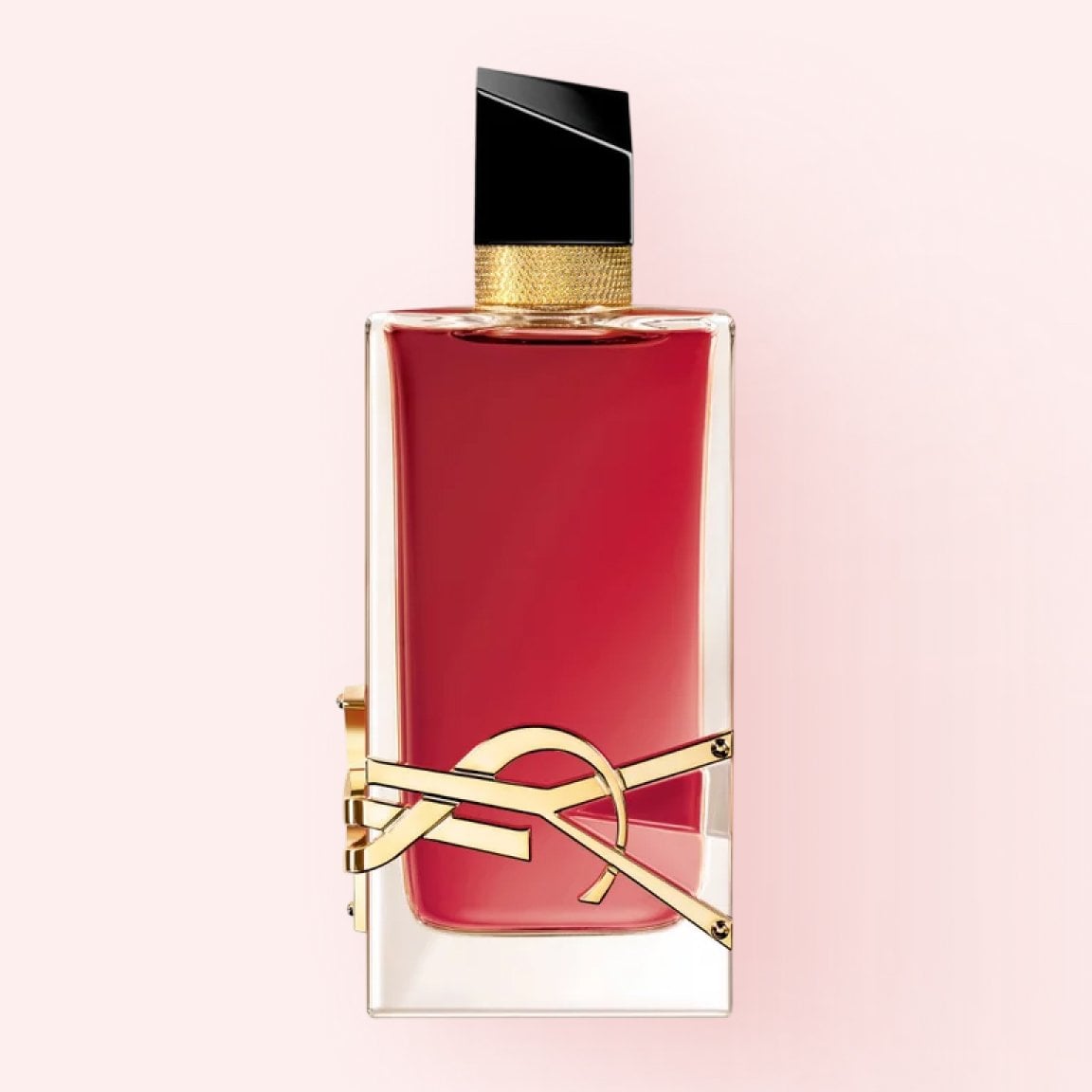
YSL Libre Berry Crush is a fruitier fragrance that can still be long-lasting when the composition has enough depth underneath the opening notes. Berry-forward scents can read fresh at first, but a more grounded base helps the fragrance stay balanced after the initial brightness settles.
How to Make Perfume Last Throughout the Day
If you want your perfume to last from morning through evening, focus on a routine—not just a single application trick. Moisturized skin, strategic placement, and choosing the right fragrance concentration can help extend wear much more effectively than simply spraying on extra perfume.
- Step 1: Apply Perfume After Showering: Apply fragrance when skin is clean, slightly warm, and moisturized. Hydrated skin helps support the stratum corneum and skin barrier, giving fragrance oils a smoother surface to cling to without competing scent notes.
- Step 2: Use an Unscented Moisturizer or Balm: Apply an unscented lotion, body oil, or a small amount of balm to pulse points before fragrance. This creates a smoother base and can help slow evaporation. (You could even use a face primer!)
- Step 3: Focus on Pulse Points: Spray pulse points such as the wrists, neck, inside elbows, and behind the knees. These naturally warmer areas help fragrance diffuse gradually throughout the day.
- Step 4: Let Fragrance Dry Naturally: Avoid rubbing your wrists together after application. Allowing perfume to dry naturally preserves the intended fragrance development.
- Step 5: Layer Fragrance Intentionally: Use a matching or complementary body lotion, body oil, or mist before applying perfume. Layering gives the scent more support on skin without relying on heavy overapplication.
Where to Spray Perfume
Once skin is prepped, placement can affect how a fragrance diffuses throughout the day. Pulse points generate gentle warmth that helps scent develop gradually and can improve projection without overapplying.
Pulse points for perfume:
- Wrists (without rubbing them together)
- Behind the ears
- Base of the throat
- Inside the elbows
- Behind the knees
After spraying, let the fragrance dry naturally. If applying perfume to hair or clothing, mist lightly and avoid delicate fabrics or direct application to hair strands.
Don't Rub, Just Spray and Let It Dry
After spraying perfume, let it dry naturally on the skin. Rubbing wrists together creates friction that can disrupt delicate top and middle notes, which may change how the fragrance smells and make it fade sooner.
Mist Your Hair and Clothing with Caution
Hair and clothing can hold scent well, but both require a careful approach. Spray perfume onto a hairbrush before combing it through to avoid applying alcohol directly to strands. For clothing, mist lightly from a distance and avoid delicate fabrics that may stain. Wool and velvet hold scent best due to being more dense and porous.
Does Perfume Last Longer on Skin, Clothes, or Hair?
Fragrance behaves differently depending on where it is applied. Skin allows perfume to develop through its full note structure, while fabrics and hair can hold scent longer because they absorb fragrance molecules differently.
- Skin: Moderate longevity. Skin allows the fragrance to develop through its full note structure, but wear time can vary based on skin type, moisture level, and body chemistry.
- Clothing: Long longevity. Fabric can retain scent for extended periods, but perfume should be misted lightly from a distance to reduce the risk of staining delicate materials.
- Hair: Moderate to long longevity. Hair can carry scent as it moves throughout the day, but alcohol-heavy formulas may be drying, so misting a brush first is usually the safer approach.
Your Perfume Longevity Questions, Answered
What is the difference between Eau de Parfum and Eau de Toilette?
Eau de Parfum usually contains a higher concentration of fragrance oils than Eau de Toilette, which is why EDP often lasts longer and feels richer on skin. EDT is typically lighter, fresher, and easier to reapply throughout the day.
Why does perfume last longer on some people than others?
Perfume can last longer on some people because skin hydration, sebum level, and the strength of the skin barrier affect how fragrance oils sit on the stratum corneum. Drier skin may allow scent to fade faster, while moisturized skin gives perfume a better surface to adhere to.
Making Perfume Last Longer
Making perfume last longer is less about spraying more, and more about giving the fragrance the right conditions to wear well. Start with hydrated skin, apply to pulse points without rubbing, and choose formulas with stronger concentrations or longer-lasting base notes when you want more staying power.
From there, match the scent to your routine: a richer Eau de Parfum for longer days, a perfume oil for softer close-to-skin wear, or a layered lotion-and-fragrance pairing when you want the scent to feel more anchored from morning to evening.
Product selections are made using editorial research and brand knowledge; personal use or testimonials are noted where applicable.
Read more