













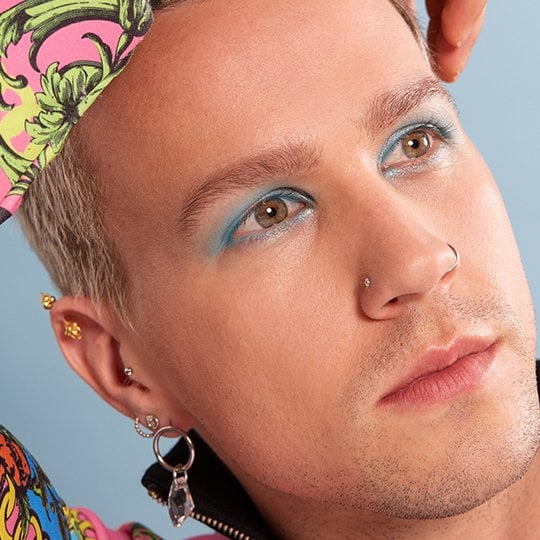
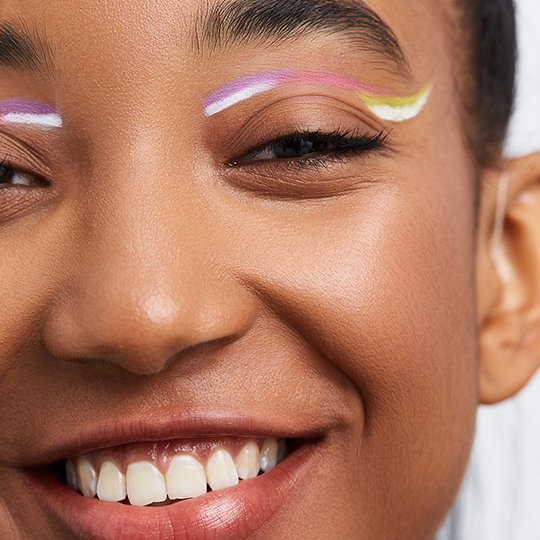
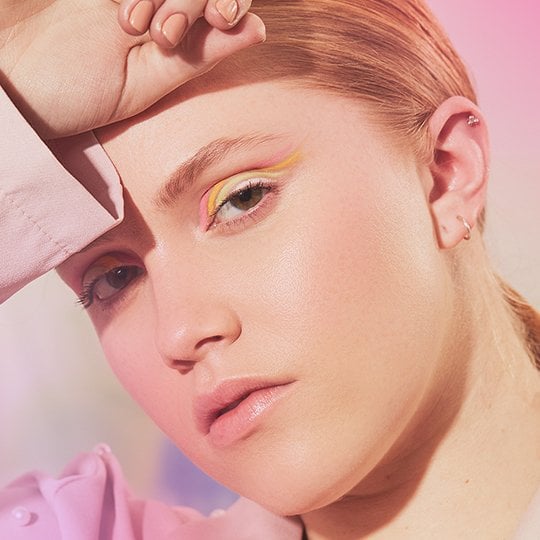
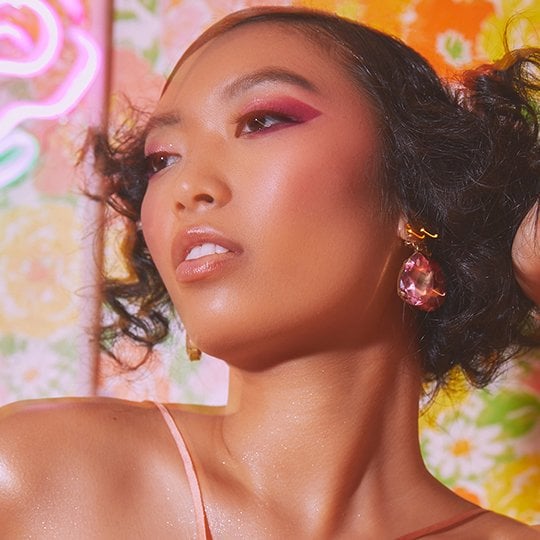
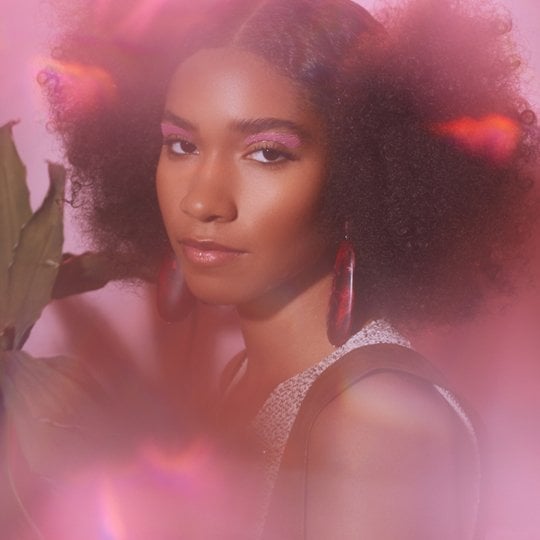
How to Create a Monochromatic Makeup Look with Eyes, Lips, and Cheeks
October 13, 2026Key Takeaways:
- Choose one color family, such as pink, berry, or brown, so the eyes, cheeks, and lips feel cohesive.
- For a buttery pop of color, use NYX Professional Makeup Buttermelt Blush as the cheek-color starting point.
- If you want an everyday soft look, choose peach or neutral brown; if you want more contrast, choose berry or deeper brown.
- For a coordinated monochromatic lip, use NYX Professional Makeup Lip IV Hydrating Gloss Stain.
- For a soft, non-sticky gloss finish, use NYX Professional Makeup Butter Gloss Non-Sticky Lip Gloss in Sugar Glass.
- Match undertone first: warm undertones pair well with peach, coral, and terracotta; cool undertones pair well with berry, mauve, and plum; neutral undertones can wear either direction.
- For a softly defined lip shape, use NYX Professional Makeup Lip Lingerie Lip Liner Stain before gloss or stain.
- For a matte lip base, use NYX Professional Makeup Suede Matte Lip Liner before layering a coordinating gloss or stain.
- Vary the finish to add dimension: use soft color on the eyes, buildable color on the cheeks, and either a defined or glossy lip in the same tonal family.
- For a luminous, tonal highlight, use NYX Professional Makeup Buttermelt Highlighter.
Monochromatic makeup is proof that one color can do it all. When your eyes, cheeks, and lips share a shade family, the whole look feels polished and intentional—even when it only takes a few minutes. It's also flattering: a shade that echoes your undertone can help skin look brighter and more even.
The trick is choosing the right color family, then varying depth and finish so the look doesn't fall flat. Read on for how to create a monochromatic makeup look from eyes to lips.
What Is a Monochromatic Makeup Look?
A monochromatic makeup look is a technique where the makeup products used for the eyes, cheeks, and lips come from the same color family. For example, you might use a dusty rose shade on your eyelids, a similar pink tone on your cheeks as blush, and a coordinating rose-colored lip color. The goal isn't to use the exact same product everywhere, but to create a unified look by staying within a single-color story. This approach can range from soft and natural, using neutral browns or peaches, to bolder with berries or reds.
Which Color Family Should You Choose for a Monochromatic Makeup Look?
Choosing a monochromatic makeup color family is the first step in setting the overall mood of the look. Instead of starting with exact product matches, use this section to decide whether a pink, peach, berry, mauve, brown, or neutral color story fits your undertone, occasion, and comfort level.
Use this simple rule: if you want an everyday soft look, stay with peach, pink, mauve, or neutral brown; if you want more contrast, move into berry, burgundy, plum, or deeper brown. If the look feels flat after application, add tonal highlight or gloss instead of choosing another color family.
| Color family | Use case | Skin undertone | Finish to pair | Product role |
| Pink | Soft, fresh, everyday monochromatic makeup | Cool or neutral | Satin eye, buildable blush, softly glossy lip | Blush for color; gloss or stain for a coordinated lip |
| Peach or coral | Warm, bright, approachable color | Warm or neutral | Diffused blush, subtle highlight, glossy lip | Blush to anchor warmth; highlighter to keep the look dimensional |
| Mauve | Soft glam or polished neutral color | Cool or neutral | Soft matte or satin eye, defined lip, minimal highlight | Lip liner or liner stain for shape; blush for tonal balance |
| Berry or burgundy | Bolder contrast and evening makeup | Cool, neutral, or deeper warm | Sheer eye, controlled cheek color, deeper lip | Lip stain or liner for the strongest pigment; blush applied lightly |
| Brown or terracotta | Warm depth, sculpted color | Warm or neutral | Matte liner, tonal blush, warm gloss or stain | Suede Matte Lip Liner or Lip Lingerie Lip Liner Stain for definition |
Why Can Monochromatic Makeup Still Look Mismatched After You Choose a Color Family?
Monochromatic makeup can still look mismatched when products share a color family but differ in undertone, depth, finish, or pigment payoff. The fix is to use undertone as the connecting thread, then adjust intensity and finish by feature.
- Undertone mismatch: One product leans warm, cool, or neutral while the others lean in a different direction. Choose shades with the same undertone instead of trying to match one exact color.
- Depth mismatch: Color may look softer on cheeks, deeper on lips, or less visible on eyelids. Use a sheer wash on the eyes, buildable blush on the cheeks, and a slightly deeper liner, stain, or gloss on the lips.
- Finish mismatch: Too many matte products can look flat, while too many glossy or luminous products can look overly shiny. Balance one structured finish, one diffused finish, and one shine or highlight finish.
- Placement mismatch: The same shade can read differently on eyelids, cheeks, and lips because each area has different natural coloring. Test products together before applying the full look.
- Too bright, too muted, or too different: Soften with less product, switch to a closer undertone match, or balance the look with a coordinating gloss, liner, blush, or highlighter.
How Do You Choose a Monochromatic Makeup Shade?
- Pick the color family first: pink, peach, mauve, berry, brown, or neutral.
- Match the undertone: warm shades for warm undertones, cool shades for cool undertones, and either direction for neutral undertones.
- Choose the anchor product, usually the blush or lip color, then match the other products to that same tonal family.
- Vary depth and finish across the face: lighter on the eyes, buildable on the cheeks, and either more defined or glossier on the lips.
- Test the products together before applying the full look; if one shade feels off, soften it, layer less, or swap it for a closer undertone match.
If you want to get everything in one go, here are NYX Professional Makeup products and shades that work within each color family:
| Color family | Cheeks and glow | Lip liner | Lip color |
| Pink | Buttermelt Highlighter in U Butta Werk | Lip Lingerie Lip Liner Stain in Cuff Me | Butter Gloss Non-Sticky Lip Gloss in Éclair (pale cool pink) or Strawberry Cheesecake (berry pink) Lip IV Hydrating Gloss Stain in Bubblegum Burst |
| Peach or coral | Buttermelt Blush in Butta Sunset Sorbet (glowy peach) or U Know Butta (coral with gold shimmer) Buttermelt Highlighter in Bright & Butta | Lip Lingerie Lip Liner Stain in Barely There | Butter Gloss Non-Sticky Lip Gloss in Peaches And Cream (peach) or Sorbet (vibrant coral) |
| Mauve | Buttermelt Highlighter in Bright & Butta | Lip Lingerie Lip Liner Stain in Send Nudes or After Hours | Lip IV Hydrating Gloss Stain in Mauve N Moist! |
| Berry or burgundy | Buttermelt Blush in Butta Cherry Pop (bright cherry red), applied lightly | Lip Lingerie Lip Liner Stain in Up All Night (black cherry) or Hot & Heavy | Lip IV Hydrating Gloss Stain in Berry Thirsty or Cranberry Splash Butter Gloss Non-Sticky Lip Gloss in Cranberry Pie (mauve purple) or Devils Food Cake (wine) |
| Brown or terracotta | Buttermelt Highlighter in Butta in Bronze or Glaze It Butta | Lip Lingerie Lip Liner Stain in Steamy Spice (warm brown) or Lip Lock | Lip IV Hydrating Gloss Stain in Cocoa Quench Butter Gloss Non-Sticky Lip Gloss in Tiramisu (pinky nude) or Fudge Me (warm brown) |
How Do You Apply Monochromatic Makeup from Eyes to Lips?
Once you have your color family selected, choose the finish combination before you apply. The easiest formula is to let one feature carry the most shine, one feature stay softly diffused, and one feature add structure, so the look has dimension while still reading as one cohesive color story.
| Desired effect | Eyes | Cheeks | Lips |
| Soft everyday | Satin or sheer matte wash | Buildable blush | Gloss or gloss stain |
| More defined | Matte or satin eye | Diffused blush plus subtle highlight | Liner, liner stain, or matte base |
| High-shine | Soft matte eye | Blush plus tonal highlight | Full-bodied gloss |
| Bold color | Sheer eye | Light blush | Deeper stain or liner |
- Start with the Eyes: Sweep a light wash of your chosen color across the eyelids. Choose matte for a softer or more defined base, satin for an easier everyday look, or a sheer wash when the lips will carry the boldest color. To add more dimension, blend a slightly deeper shade from the same color family into the crease instead of adding a new color.
- Add Color to the Cheeks: Apply a cream or powder blush in the same hue to the apples of your cheeks, then blend upward and outward toward the temples. Keep the blush diffused if the eyes or lips are more defined. If the look feels too flat, add a tonal highlighter to the high points of the face for brightness without changing the color family.
- Finish with the Lips: Choose the lip finish based on the effect you want. For softness and shine, finish with gloss or gloss stain; for more structure, start with liner or liner stain; for a hybrid look, trace the lip shape first, then layer gloss in the same shade family on top.
How Do You Apply Blush for a Sun-Kissed Effect?
For a sun-kissed monochromatic look, sweep a warm peach, coral, or terracotta blush across the tops of the cheeks and lightly over the bridge of the nose, then blend it back toward the temples. Use thin layers so the color stays soft and diffused rather than striped. Keep the rest of the look in the same warm family with a neutral eye and a glossy nude lip.
What Products Do You Need for a Monochromatic Look?
Using products with similar undertones and varied finishes is key to a successful monochromatic look. These sections show how each cheek, highlight, liner, stain, and gloss product can help solve a specific part of the look: adding color, shaping the lips, building shine, or keeping the finish cohesive from cheeks to lips.
For a Buttery Pop of Color: NYX Professional Makeup Buttermelt Blush
Start with this as the cheek-color anchor, then choose eye and lip shades in the same color family so the look feels connected.
For a Coordinated Monochromatic Lip: NYX Professional Makeup Lip IV Hydrating Gloss Stain
This is an option when you want the lip to carry the color story with a glossy stain effect.
For a Luminous, Tonal Highlight: NYX Professional Makeup Buttermelt Highlighter
Tap it onto the high points of the face when the look needs brightness without adding a new color family.
For a Full-Bodied Gloss Finish: use NYX Professional Makeup Butter Gloss Non-Sticky Lip Gloss in Tiramisu.
Reach for this when the lip needs shine and fullness while staying in the same shade family.
For a Softly Defined Lip Shape: NYX Professional Makeup Lip Lingerie Lip Liner Stain
Layer it before gloss or stain when the monochromatic lip needs more structure.
For a Matte Lip Base: NYX Professional Makeup Suede Matte Lip Liner
Trace the lip shape first, then layer a coordinating gloss or stain on top.
| Need | Product | When to use | Finish |
| Cheek color that anchors the tonal story | NYX Professional Makeup Buttermelt Blush | Use after base makeup to connect the eye and lip shades. | Soft, diffused cheek color |
| Dimension when the look feels flat | NYX Professional Makeup Buttermelt Highlighter | Use on high points of the face when the one-color look needs light and shape. | Luminous glow |
|
Glossy lip color in the same shade family |
NYX Professional Makeup Lip IV Hydrating Gloss Stain | Use as the final lip step or layer over liner for more definition. | Glossy stain effect |
| Juicy shine without a separate lipstick step | NYX Professional Makeup Jelly Job Full-Bodied High Shine Gloss | Use when the lip look needs shine while staying in the same color family. | Glassy gloss |
| Soft lip shape and long-wear definition | NYX Professional Makeup Lip Lingerie Lip Liner Stain | Use before gloss or stain when the lip edge needs more structure. | Defined stain |
| Matte base before shine or stain | NYX Professional Makeup Suede Matte Lip Liner | Use to map the lip shape before layering a coordinating gloss or stain. | Matte definition |
Your Monochromatic Makeup Questions, Answered
What colors work well for a monochromatic look?
The most versatile colors for a monochromatic makeup look are usually pink, peach, mauve, berry, and neutral-brown shades because they can translate naturally across eyes, cheeks, and lips. The right option depends on the overall effect you want: softer shades can feel more subtle for everyday wear, while deeper or brighter shades can create a bolder tonal look.
Can you do monochromatic makeup with bold colors?
Yes, bold colors can work well for monochromatic makeup when the placement and intensity are balanced. Try using a lighter wash of color on the eyes and cheeks, then concentrate the strongest pigment on the lips, or keep one feature glossy while the rest of the look stays softly blended.
Does monochromatic makeup have to be matte?
No, monochromatic makeup does not have to be matte. Mixing finishes is one of the easiest ways to keep a one-color look dimensional, so you can pair a satin eye, a soft-focus blush, a subtle highlight, and a high-shine gloss while keeping everything in the same color family.
How do you keep monochromatic makeup from looking flat?
To keep monochromatic makeup from looking flat, vary the depth and finish of the products instead of using the exact same tone everywhere. A slightly deeper lip liner, a buildable blush, a soft highlight, and a glossy lip can help create shape, brightness, and movement while still keeping the look cohesive.
How do I make monochromatic lip color last longer?
To help monochromatic lip color last longer, start with a liner or stain before adding shine. Fill in the lips with NYX Professional Makeup Lip Lingerie Lip Liner Stain or NYX Professional Makeup Suede Matte Lip Liner, then layer NYX Professional Makeup Lip IV Hydrating Gloss Stain or NYX Professional Makeup Jelly Job Full-Bodied High Shine Gloss in a coordinating shade family.
Building Your Signature Tonal Look
With the right color choice and a light touch, a monochromatic makeup look can be an approachable way to create a coordinated makeup style. It can work for everyday makeup or more formal settings when the products share a similar undertone, depth, or finish. By choosing products within a related color story, the final look can feel balanced and intentional.
For more inspiration, explore a monochromatic red makeup tutorial, learn how to choose the right makeup for your skin undertone, or try a monochromatic mauve makeup look. If your cheeks need help, review how to prevent patchy blush and the latest winter blush colors.
Editorial Disclosure: Product selections are made using editorial research and brand knowledge; personal use or testimonials are noted where applicable.


