






.jpg?cx=0.5&cy=0.5&cw=150&ch=120&blr=False&hash=27326E4FE66B0A2BFABAF4995DA29DC5)



How to Choose the Right Lipstick Shade for Your Skin's Undertone
September 09, 2026

Key Takeaways:
- Identify your undertone first, then use skin depth to adjust how light, deep, or bold the shade should be.
- Choose similar undertones for a balanced look, or opposite undertones when you want more contrast.
- Use finish strategically: matte for intensity, satin for polish, gloss for softness, and lip stain for a natural effect.
- Treat lipstick shade rules as a starting point; the most flattering color is the one that works with your complexion, lip color, and the makeup look you want.
What Are Skin Undertones?
Your skin tone refers to the visible depth or color of your complexion—think fair, light, medium, deep, or dark. Your undertone, on the other hand, is the subtle hue beneath the surface. While your skin tone can change with sun exposure or the seasons, your undertone stays relatively consistent.
Simply put, melanin determines your skin’s depth and pigmentation, while undertone influences whether your complexion appears cooler, warmer, or more neutral.
Here’s the breakdown:
- Cool undertones have pink, red, or bluish hints.
- Warm undertones tend to look yellow, peach, or golden.
- Neutral undertones balance both warm and cool tones.
- Olive skin can show a greenish cast, often leaning warm or neutral.
Remember, skin depth and undertone are completely separate—any skin tone can be cool, warm, neutral, or olive. For example, fair skin can have warm undertones, and deep skin can have cool ones. Knowing both helps you predict how a lipstick will show up against your complexion: whether it harmonizes, pops, or gets muted.
How Do You Determine Your Skin’s Undertone
- Check the veins on your wrist. Blue or purple veins suggest cool, green suggests warm, and a mix suggests neutral.
- Compare gold and silver jewelry. If gold flatters more you likely run warm, if silver flatters more you likely run cool, and if both work you may be neutral.
- Hold white fabric to your face. Skin that looks pinkish against it reads cool, and skin that looks golden reads warm.
- If your skin shows a subtle green or gray cast, you may be olive, which can lean warm or cool. ow up against your complexion: whether it harmonizes, pops, or gets muted.
How to Choose a Lipstick for Your Undertone
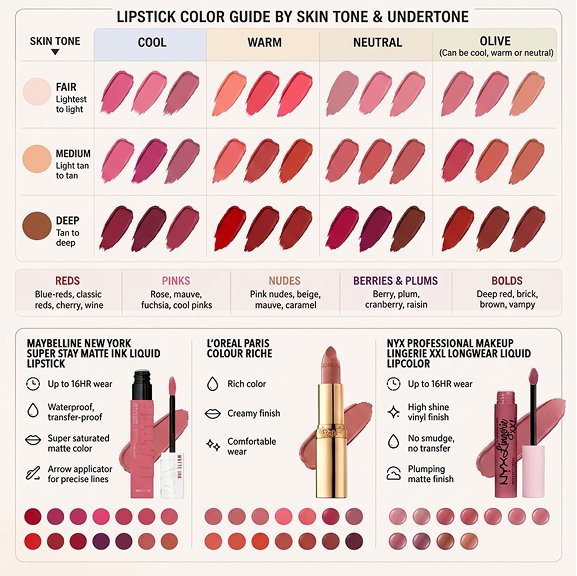
Once you have a sense of your undertone, use color theory as a guide to lipstick color families, but remember that nothing is a strict rule. Shades with an undertone similar to your skin tend to create a balanced, cohesive result: cool pigments often flatter cool undertones, while warm pigments often complement golden, peach, or olive undertones. Contrasting shades can look equally striking when you want the lip color to stand out.
Finish and opacity matter, too: a sheer balm, lip gloss, or lip stain usually lets more of your natural lip color show through, while an opaque liquid lipstick or matte lipstick delivers a truer, more dramatic version of the shade.
Lipstick Colors for Cool Undertones
Choose blue-based reds, cranberry, berry, plum, mauve, and cool pinks. For nude lipstick, try pink-beige, taupe, or muted mauve.
- NYX Professional Makeup Lip Lingerie XXL Matte Liquid Lipstick in Pushd Up
- L'Oréal Paris Colour Riche Satin Lipstick in Toasted Almond
- Maybelline Super Stay® Vinyl Ink® Longwear Liquid Lipcolor in Peppy
- Maybelline Super Stay Matte Ink® Longwear Liquid Lipstick in Dreamer
Lipstick Colors for Warm Undertones
Choose orange-red, coral, peach, terracotta, and warm brown shades. For an everyday option, try a peachy nude or warm rose.
- NYX Professional Makeup Lip Lingerie XXL Matte Liquid Lipstick in Turn On
- L'Oréal Paris Colour Riche Satin Lipstick in Spiced Cider
- Maybelline Super Stay® Vinyl Ink® Longwear Liquid Lipcolor in Peachy
- Maybelline Super Stay Matte Ink® Longwear Liquid Lipstick in Insider
Lipstick Colors for Neutral Undertones
Choose balanced mauves, rosy nudes, true reds, soft berries, and medium pinks. Neutral undertones can typically wear both cool and warm shades.
- NYX Professional Makeup Lip Lingerie XXL Matte Liquid Lipstick in Stripd Down
- L'Oréal Paris Colour Riche Satin Lipstick in Red Passion
- Maybelline Super Stay® Vinyl Ink® Longwear Liquid Lipcolor in Charmed
- Maybelline Super Stay Matte Ink® Longwear Liquid Lipstick in Savant
Lipstick Colors for Olive Undertones
Choose muted berries, brick reds, rose-browns, and balanced browns. Warm olive undertones suit terracotta and caramel; cool olive undertones suit plum and wine.
- NYX Professional Makeup Lip Lingerie XXL Matte Liquid Lipstick in Warm Up
- L'Oréal Paris Colour Riche Satin Lipstick in Ginger Spice
- Maybelline Super Stay® Vinyl Ink® Longwear Liquid Lipcolor in Cheeky
- Maybelline Super Stay Matte Ink® Longwear Liquid Lipstick in Voyager
Lipstick and Skin Tone Chart
Use this decision matrix as a starting point, then adjust for your natural lip pigment and preferred level of contrast.
| Skin Tone + Undertone | Reds | Pinks | Nudes | Bold Shades |
| Fair + Cool | Cherry, blue-red | Cool rose, soft raspberry | Pink-beige, plight mauve | Cranberry, cool fuchsia |
| Fair + Warm | Tomato red, warm poppy | Pink, warm pink | Peach-beige, light caramel | Coral, bright orange-red |
| Fair + Neutral | True red, soft ruby | Balanced rose, petal pink | Neutral beige, rosy nude | Raspberry, balanced berry |
| Fair + Olive | Muted brick, soft wine | Dusty rose, muted berry | Rose-brown, neutral taupe | Plum, muted cranberry |
| Medium + Cool | Ruby, cranberry red | Mauve pink, raspberry | Rosewood, cool taupe | Berry, blue-based magenta |
| Medium + Warm | Brick, red-orange | Coral pink, warm rose | Caramel, peach-brown | Terracotta, burnt orange |
| Medium + Neutral | True red, balanced brick | Medium rose, muted pink | Rosy brown, neutral caramel | Plum, classic berry |
| Medium + Olive | Brick red, muted wine | Dusty berry, rose-brown | Balanced brown, caramel-taupe | Deep raspberry, aubergine |
| Deep + Cool | Blue-red, deep cherry | Rich berry-pink, magenta | Deep rosewood, cool cocoa | Wine, blackberry, violet |
| Deep + Warm | Fiery red, deep brick | Warm berry, coral-rose | Rose caramel, warm chocolate | Copper, burnt orange |
| Deep + Neutral | True red, balanced burgundy | Deep rose, rich pink | Neutral cocoa, rose-brown | Burgundy, plum, black cherry |
| Deep + Olive | Deep brick, oxblood | Muted berry, deep rose-brown | Balanced espresso, deep caramel | Aubergine, black cherry |
Does a Lipstick’s Finish Change How a Shade Looks?
Yes. Lipstick finish can change how a shade appears because shine reflection, color intensity, and lip texture all affect the final look.
- Matte lipstick has little to no shine, so shades often appear deeper, more saturated and more opaque on the lips.
- Gloss lipstick and lip gloss products reflect light, which can make reds, berries, and pinks look softer, sheerer, or slightly brighter depending on the formula.
- Satin lipstick sits between the two, balancing color payoff with luminosity so the shade still looks rich without appearing flat.
- Lip stains can create a softer wash that works well for natural makeup.
- Liquid lipsticks can offer more precision and longer wear for evening makeup or bridal makeup.
If a color feels too intense, try a glossy or satin version; if it feels too subtle, a matte formula or matching lip liner can make the same shade family look bolder.
Which Lipstick Formulas Work for Every Undertone?
A versatile lipstick wardrobe does not require dozens of products. Start with the finish and wear experience you prefer, then choose shades within the color families that suit your undertone and the makeup setting.
As a general rule: A soft satin lipstick or lip stain can work for everyday makeup and office makeup, while a high-impact liquid lipstick, matte lipstick, or shiny lip gloss can help define evening makeup or bridal makeup.
The options below can be used as a starting point.
For Matte Lips: NYX Professional Makeup Lip Lingerie XXL Matte Liquid Lipstick & Maybelline Super Stay Matte Ink® Longwear Liquid Lipstick
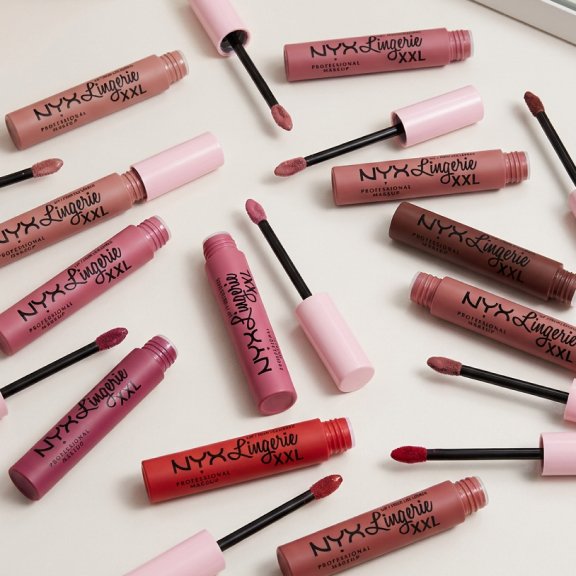
- Undertone-to-product solution: Those with cool undertones looking for a long-lasting berry, mauve, or blue-red lip may consider NYX Professional Makeup Lip Lingerie XXL Matte Liquid Lipstick or Maybelline Super Stay Matte Ink® Longwear Liquid Lipstick. These products work well because a saturated matte finish helps shades read deeper and more color-intense.
- Shade range: Both products are available in a wide range of highly pigmented shades, from classic reds and subtle nudes to deep berries, making it easy to choose by undertone.
- Why it can work: The high-impact matte formulas in both products are a strong fit when you want undertone-specific lipstick colors, such as cool berries or warm reds, to look bold, opaque, and true-to-shade throughout the day.
- Undertone pairing: Try blue-red, berry, or mauve shades for cool undertones; coral, warm red, or caramel-brown shades for warm undertones; and rose, nude, or true red shades for neutral undertones.
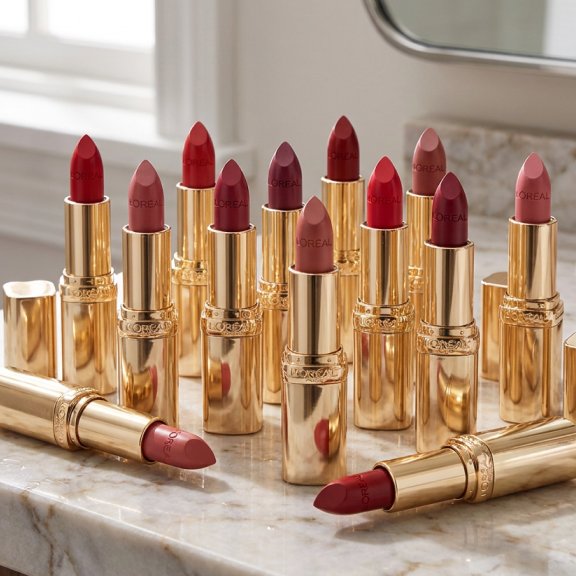
For a Hydrating Formula: L'Oréal Paris Colour Riche Satin Lipstick
-
Undertone-to-product solution: If you want a comfortable lipstick that still lets you choose by undertone, L'Oréal Paris Colour Riche Satin Lipstick offers a luminous, hydrating finish, making it useful for soft rosy nudes, cool browns, warm terracotta shades, and deeper statement colors.
-
Formula benefits: The formula is infused with Argan Oil, Omega-3, and nourising Vitamin E which provides lasting hydration.
-
Shade range: Includes 52 tone-enhancing shades across everyday nudes, browns, pinks, and deeper statement colors.
- Undertone pairing: Choose cool browns, rose shades, or berry tones for cool undertones; warm nudes, terracotta, or peachy shades for warm undertones; and balanced pinks, soft browns, or muted reds for neutral undertones.
For a Long-Lasting, Shiny Finish: Maybelline Super Stay Vinyl Ink Longwear Liquid Lipcolor
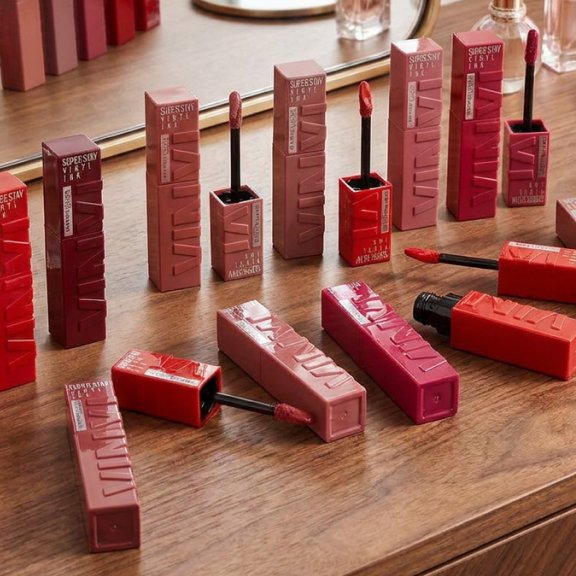
- Undertone-to-product solution: For anyone who prefers shine but still wants longwear color, Maybelline Super Stay Vinyl Ink Longwear Liquid Lipcolor can help cool reds, warm nudes, glossy berries, and rose-brown shades look luminous without losing their undertone direction.
- Shade range: Offers pinks, reds, nudes, burgundies, and browns, so you can keep the look glossy while still choosing by undertone.
- Why it can work: It is a useful option when you want longwear color but prefer a shiny finish over a classic matte lip.
- Undertone pairing: Try berry, fuchsia, or cool red shades for cool undertones; peach, warm nude, or red-orange shades for warm undertones; and rose, brown-nude, or classic red shades for neutral undertones.
Your Lipstick Shade Questions, Answered
Still deciding between two shades? These answers address a few of the most common questions about undertones, natural lip color and choosing a flattering finish.
Can I wear red lipstick if I have cool undertones?
Yes. Try a red with blue or berry undertones, such as ruby, cranberry, or cherry. These cooler reds tend to harmonize with pink, red, or bluish tones in the skin. An orange-red creates more contrast, which can also be striking if that is the effect you want. Undertone guidance is a starting point, not a restriction.
What lipstick makes teeth look whiter?
Lipsticks with cool or blue-based undertones can help teeth appear whiter by visually balancing yellow tones. Blue-based reds, berry shades, and cool pinks are common options. Warmer orange-reds and coral shades can be beautiful, too, but they may emphasize warmth in the teeth on some people.
Can warm undertones wear cool lipstick shades?
Yes. Undertone rules are guidelines, not restrictions. A cool pink, berry, or blue-red can create a deliberate contrast against warm skin, especially if the rest of the makeup is balanced. If the contrast feels too strong, try the same color family in a satin or gloss lipstick finish, or choose a slightly muted version of the shade.
How does my natural lip color affect lipstick shades?
Your natural lip pigment can make a lipstick appear lighter, deeper, warmer, or cooler than it looks in the tube. Sheer formulas are influenced the most because they allow more of your natural color to show through. For a more accurate preview, swatch the shade on your lips. If you want an opaque product to appear closer to its packaged color, apply a thin layer of lip primer first.
Should I choose lipstick based on my hair color?
Hair color can influence the overall contrast of a makeup look, but it does not need to determine your lipstick. Undertone, natural lip color, finish, and personal preference are more useful guides. A bold lipstick can create contrast with any hair color, while a softer nude or rose can produce a more understated effect.
Does your lip color change with age?
Natural lip color and texture can change over time, so a familiar lipstick may begin to look different. If a shade feels less vibrant than it once did, try a slightly brighter version of the same color family. A satin, balm, or glossy finish can also create a softer, more luminous effect than a flat matte.
Find Your Go-To Lipstick Shade
Choosing a flattering lipstick becomes simpler when you separate skin depth from undertone. First, identify whether your complexion leans cool, warm, neutral, or olive. Then explore lipstick colors with similar undertones, adjusting the finish, opacity, and formula to suit the look you want.
A lip stain can feel soft and natural, a satin lipstick can add polish, a matte lipstick can intensify color, and a lip gloss can add shine. Use these guidelines to narrow your options, but let the mirror make the final decision: the right lipstick is the one that looks balanced, applies smoothly, and fits the moment.
Product selections are made using editorial research and brand knowledge; personal use or testimonials are noted where applicable.


Read more