







.jpg?cx=0.5&cy=0.5&cw=150&ch=120&blr=False&hash=27326E4FE66B0A2BFABAF4995DA29DC5)



How Do I Choose the Right Mascara for My Lash Type?
August 12, 2026

Key Takeaways:
- For straight or flat lashes that won't hold a curl, a lightweight, curling mascara with a curved brush helps lift lashes, support curl retention, and create a lash lift effect that can make eyes look bigger.
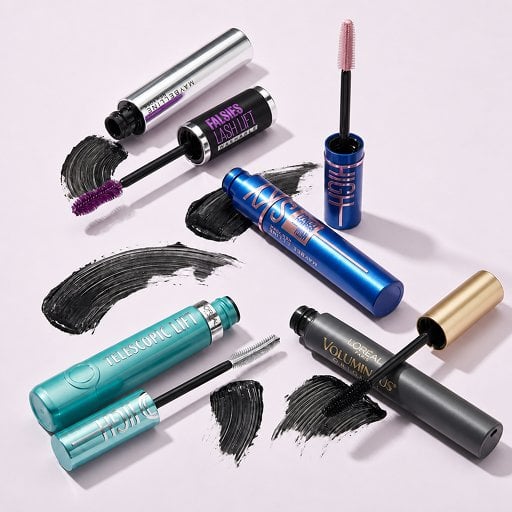
Product option: Maybelline The Falsies Lash Lift Mascara - For short or "stubby" lashes that need visible length, a lengthening mascara with a thin, comb-like brush helps coat each lash from root to tip, support lash separation, and create the look of lash elongation.
Product options: L'Oréal Paris Extensionist Telescopic Waterproof Mascara, Maybelline Lash Sensational Sky High Mascara - For thin or sparse lashes that need fullness, a volumizing mascara with a dense, hourglass-shaped brush deposits more formula at the base to create the look of fuller lash density and a false-lash effect.
Product option: L'Oréal Paris Voluminous Original Mascara
Mascara is supposed to be the finishing touch that makes your eyes pop, so it's especially frustrating when it results in clumpy, spidery, flat, or stubby-looking lashes. If you've ever felt like mascara just doesn't work for you, the problem likely isn't your lashes—it's the mascara you're using.
The secret to a flawless application lies in understanding that not all mascaras are created equal. Some formulas rely on lightweight hold, film-forming polymers, or tubing technology, while brush shapes help lift, separate, lengthen, or build density. Matching the right tool to your lash type is the key to getting the result you want.
This guide helps diagnose common mascara problems and provides a path to choosing the right mascara for your lash type.
Want to dive even deeper? Check out our guide to mastering the perfect technique for short eyelashes for expert tips on maximizing lash length and definition.
There Is No One-Size-Fits-All Mascara
A mascara that creates dramatic volume on one person may weigh down another person's lashes. Instead of looking for a universally ideal option, identify your natural lash type, your biggest mascara frustration, and the result you want to achieve, such as curl retention, lash separation, lash elongation, or a false-lash effect. Use those factors to narrow your choices by formula and brush type.
Identify Your Lash Type First
Straight Lashes
- Common concern: lashes lose curl
- Ideal formula: curling or waterproof mascara
- Ideal brush: curved brush
- Product example: Maybelline The Falsies Lash Lift Mascara
Short Lashes
- Common concern: lashes look stubby
- Ideal formula: lengthening mascara
- Ideal brush: slim comb-style brush
- Product example: L'Oréal Paris Telescopic Extensionist Waterproof Mascara
Sparse Lashes
- Common concern: lack of fullness
- Ideal formula: volumizing mascara
- Ideal brush: dense bristle or hourglass brush
- Product example: L'Oréal Paris Voluminous Original Mascara
Smudge-Prone Lashes
- Common concern: transfer
- Ideal formula: waterproof or tubing mascara
Diagnosing the Problem: Why Your Mascara Looks Wrong
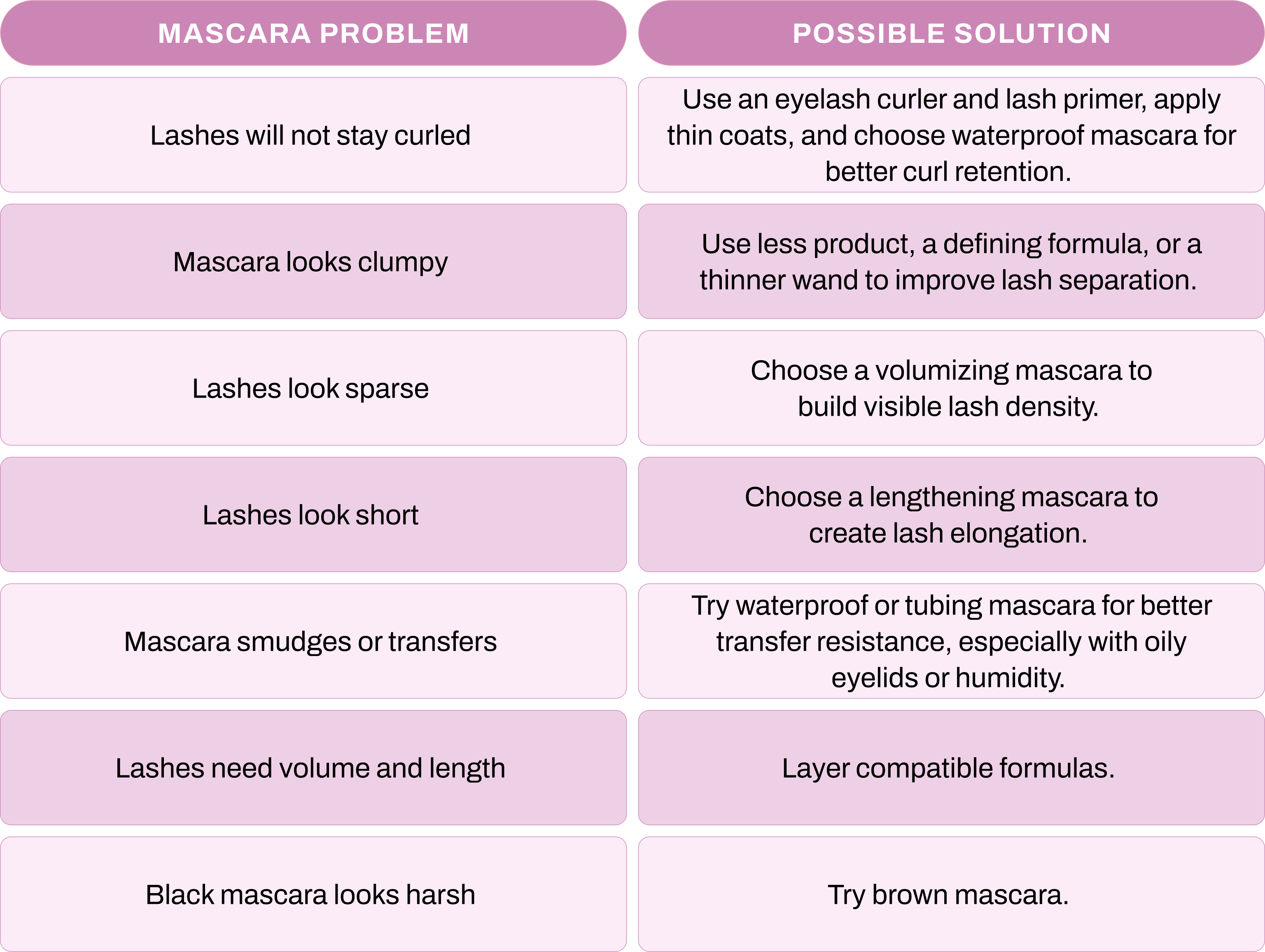
Many mascara disappointments are not caused by a bad formula. They happen when the formula or brush is designed for a different lash type or desired effect. Sparse lashes typically benefit from volumizing formulas, short lashes from lengthening formulas, straight lashes from curling or waterproof formulas, and naturally full lashes from defining formulas.
The Cause of Clumpy Lashes
Clumps are often the result of too much product being applied at once. This can be due to an old, thickened formula, not wiping excess mascara off the wand before applying, or using a brush that's overloaded with product. Pumping the wand in the tube also pushes air in, drying out the formula faster and leading to clumps.
The Cause of Flat Lashes
If your lashes fall flat minutes after application, your mascara formula is likely too heavy and wet, weighing them down. This is a common issue for those with very straight lashes that resist a curl. Not using an eyelash curler before application is also a primary cause.
The Cause of Stubby-Looking Lashes
If your mascara isn't adding any visible length, you are likely using the wrong type of formula (e.g., a volumizing mascara when you need a lengthening one). It can also be caused by a brush that is too large to get close to the base of the lashes and coat them from root to tip.
Choose the Right Mascara Based on Your Lash Type
For Straight Lashes That Won't Stay Curled – Maybelline The Falsies Lash Lift Mascara
Your Goal: Lift and curl.
The Solution: Curl lashes before applying mascara, then use a lash primer if you need extra hold. Choose a lightweight curling or waterproof formula, since heavier, wetter formulas can pull straight lashes downward. Apply thin coats and use a curved brush that hugs the lash line, pushes lashes upward, and supports a lifted lash lift effect. Lightweight curling and waterproof formulas can help maintain lift throughout the day. For example, Maybelline The Falsies Lash Lift Mascara features a lifting formula and curved brush designed to support curl retention.
For Short Lashes That Need Length – L'Oréal Paris Extensionist Telescopic Waterproof Mascara & Maybelline Lash Sensational Sky High Mascara
Your Goal: Length and Definition.
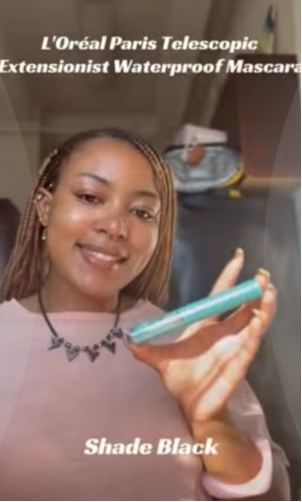
The Solution: If your lashes appear short or difficult to see without mascara, look for a lengthening formula paired with a slim brush. A lengthening mascara coats each lash individually to support lash elongation, while a comb-style brush helps with lash separation from root to tip. L'Oréal Paris Telescopic Extensionist Waterproof Mascara is a strong option because its sculpting comb brush separates lashes and helps create an extension-like effect.
For Thin or Sparse Lashes That Need Fullness – L'Oréal Paris Voluminous Original Mascara
Your Goal: Volume and Density.
The Solution: Look for a "volumizing" or "thickening" mascara. These formulas are typically creamier and designed to build upon themselves, helping sparse lashes appear fuller and more dense. The ideal brush is a dense, traditional bristle brush, often in an hourglass shape, which deposits product at the base of the lashes to create the look of a fuller lash line. If sparse lashes are your primary frustration, look for volumizing formulas paired with dense bristle brushes. L'Oréal Paris Voluminous Original Mascara is a classic example because this mascara deposits more product to create the appearance of denser lashes along the lash line.
For Mascara That Smudges or Transfers – L'Oréal Paris Telescopic Extensionist Waterproof Mascara
Your Goal: Long-lasting wear without flaking or smudging.
The Solution: If you often notice mascara marks under your eyes by midday, oily eyelids, humidity, watery eyes, or contact lens sensitivity may be breaking down the formula. Consider a waterproof or tubing mascara, such as L'Oréal Paris Telescopic Extensionist Waterproof Mascara, which is designed to improve transfer resistance and stay in place longer. Tubing formulas use film-forming polymers to wrap lashes in lightweight tubes, which can help reduce smudging and flaking.
What to Do If Your Mascara Does Not Hold a Curl
If straight lashes fall after mascara application, curl them before applying product, add a lash primer for extra hold, and use thin coats rather than heavy layers that can weigh lashes down. A lightweight waterproof mascara may support curl retention longer than a washable formula, especially if the goal is a lifted lash lift effect.
Common Mascara Mistakes and How to Fix Them
Do:
- Always Curl Your Lashes First: Use an eyelash curler before your first coat. This opens the eye and gives your mascara a lifted shape to follow.
- Wipe Off Excess Product: Before your first coat, gently wipe the tip of the wand on the edge of the tube to remove the glob of excess mascara.
- Use the "Wiggle" Technique: For your first coat, place the wand at the very base of your lashes and wiggle it back and forth. This builds volume at the root, which supports the rest of the lash. Then, pull the wand through to the tips.
Don't:
- Pump the Wand: Pumping the wand in and out of the tube pushes air into the formula, causing it to dry out and become clumpy. Instead, gently swirl the wand inside the tube.
- Apply Too Many Coats: For most mascaras, two coats are sufficient. Applying more while the previous coats are still wet can lead to clumping. If you want to add a third coat, wait until the first two are almost dry.
FAQ - Common Mascara Questions Answered
How do you fix clumpy mascara that's already on your lashes?
If you notice clumps while the mascara is still wet, use a clean, dry spoolie brush or lash comb to gently brush through your lashes and improve lash separation. If the mascara is dry, brushing can cause flaking, so address clumps while the formula is still pliable and avoid adding more wet coats on top.
Should you put mascara on your bottom lashes?
This is a matter of personal preference. Applying mascara to the bottom lashes can help create bigger-looking eyes, but it can also increase smudging for people with oily eyelids, watery eyes, or contact lenses. If you are prone to transfer, use a tubing or waterproof mascara and apply lightly with the tip of the wand.
Find the Right Mascara for Your Lash Type
The right mascara depends less on what's trending and more on your lash type. Straight lashes often benefit from lightweight curling or waterproof formulas such as Maybelline The Falsies Lash Lift Mascara, short lashes typically pair well with lengthening options like L'Oréal Paris Telescopic Extensionist Waterproof Mascara, and sparse lashes may achieve better results with volumizing formulas such as L'Oréal Paris Voluminous Original Mascara. When the formula and brush match your lash needs, it can be easier to achieve lift, length, and definition.
Call-to-Action:
Still struggling to create bigger-looking eyes or a false-lash effect? Once you've found the right mascara for lift, lash elongation, or density, learn how to choose and apply eyeliner for your eye shape to enhance definition and make your eyes appear even bigger.
Editorial Disclosure: This article reflects editorial research and brand formulation data. Product recommendations are based on ingredient analysis and brand claims.


Read more