















How Do You Apply Lipstick Over Fine Lines Without Feathering?
November 23, 2026

Key Takeaways:
- Dryness and loss of firmness around the mouth make lipstick more likely to feather into fine lines.
- Begin with a hydrating, non-greasy balm, then use a long-wear or clear lip liner to create a defined barrier.
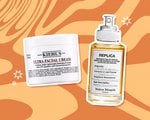
- Opt for satin-matte or matte lipsticks, which are less likely to migrate, and try Kiehl’s Lip Balm #1 or Prada Balm, for smooth prep.
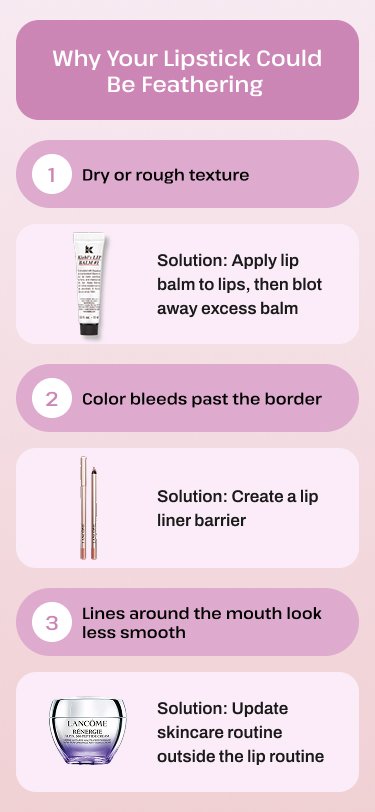
- Apply lipstick in thin, blotted layers. For deeper lines, incorporate targeted facial care—like Lancôme Rénergie H.P.N-300 Peptide Cream —to support a more refined look around the mouth.
Finding a lipstick that truly stays put—especially if you have fine lines around your lips—can feel like the ultimate beauty challenge. Feathering, fading, and color migration are common concerns as we age or when lips become dry, but with a few strategic product choices and prep steps, anyone can enjoy bold, beautiful color that actually lasts. Here’s what to keep in mind for the smoothest results:
Why Does Lipstick Feather Into Fine Lines?
Feathering happens when lipstick color migrates outside your natural lip line, especially settling into fine lines and wrinkles. This is common for lips that are dry or dehydrated, as sheer or uneven texture allows pigment to slip into creases. With age, skin loses firmness—making perioral lines around the mouth deeper and creating “channels” for color to travel. Skipping lip liner removes a key barrier, letting lipstick bleed freely. Product texture matters, too: soft, creamy, or glossy lipsticks are more prone to moving outside the edges, while thick layers of product exaggerate the effect by adding excess slip. To keep color where you want it, a combination of prep, liner, and the right lipstick formula is crucial.
Which Product Should You Use to Stop Lipstick From Feathering?
Choose products by role, not by category alone. A balm helps with dry texture, a liner creates the barrier, and the lipstick formula determines how much the color moves.
| What you notice | Likely need | Product |
| Lips feel rough or dry | Lip hydration/prep | Kiehl’s Lip Balm #1, Prada Balm |
| Lipstick migrates/bleeds easily | Define + barrier | Waterproof/clear lip liner |
| Deep lines around mouth | Skincare support | Lancôme Rénergie H.P.N-300 Peptide Cream (for lower face) |
| Lipstick fades or transfers quickly | Matte finish support | Matte or satin-matte lipstick formula |
How to Apply Lipstick Over Fine Lines Without Feathering
1. Hydrate and Prep Lips
Apply a nourishing lip balm like Kiehl’s Lip Balm #1 or Prada Balm and let it absorb. Hydration can help contribute to a more refined surface, assisting in minimizing patchiness and supporting even lipstick application.
2. Remove Excess and Prime Edge
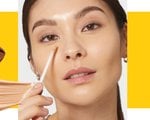
Blot lips to remove extra balm. For enhanced wear, dab a touch of lightweight concealer just outside the natural lip line to help neutralize any discoloration and further support color stability.
3. Define and Fill With Liner
Outline—and fill in—lips with a water-resistant or clear lip liner. This can help create a barrier that supports your lipstick's hold and assists in addressing fine lines, helping to minimize lipstick feathering.
4. Apply Lipstick in Thin Layers
Choose a satin-matte or matte lipstick and apply a light first coat. Blot with tissue, then add a second thin layer for color payoff and enhanced wear.
5. Set for Extra Longevity
Lay a single-ply tissue over lips and dust a small amount of translucent powder on top. This can help reduce transfer and support color stability while minimizing settling into lines.
6. Adjust As Needed Throughout the Day
If you notice dryness or fading, gently tap on more balm to the center of lips only, or touch up with a fresh layer of lipstick to refresh color and comfort.
Routine Adjustments for Lip Texture and Environment
- Dry, rough lips: Apply balm longer before lining; consider gentle exfoliation with a soft cloth.
- Deep lines around mouth: Use clear liner to double up on the edge, helping to minimize the appearance of lines before color.
- Heat/humidity: Choose a matte, transfer-minimizing formula for enhanced wear.
- Cool/dry weather: Layer extra balm under lipstick or opt for a creamier matte for comfort.
- Thin lips: Slightly overline with fine strokes, then blend inwards to support a fuller appearance, avoiding excess gloss at the edge.
Frequently Asked Questions About Lipstick and Fine Lines
How can I make lipstick last on mature lips?
Start with hydrated, well-prepped lips. Blotting and precise liner application can help support color, while thin layers and setting powder can contribute to extended wear and minimize migration into lines.
What type of lipstick prevents feathering best?
Satin-matte or matte lipsticks may be less prone to movement than creamy or glossy formulas. Choose long-wear formulas designed for minimized transfer, especially if you have fine lines.
Can clear lip liner stop lipstick bleeding?
Yes, clear lip liner can act like a barrier to help contain color, working well for any lipstick shade and assisting in defining the lip edge to minimize feathering.
Do I need a lip primer with balm and liner?
A lip primer can be used for extra insurance, but proper balm, blotting, and liner steps address most feathering issues for everyday wear.
Will matte lipstick dry out my lips?
Matte formulas may have a less emollient texture, so ensure lips are prepped with balm. Reapply balm to the center only if lips have a compromised sensation and use satin-matte for a smoother sensation.
This article reflects editorial research and brand formulation data. Product recommendations are based on ingredient analysis and brand claims.


Read more